Diabetic foot exams
Checks of feeling, circulation, skin and nails, and your personal risk level.
Diabetic foot care · Wound care
With diabetes, a blister, a cracked heel or an ingrown nail can turn serious quickly, often without much pain. Regular foot exams catch problems early. If a wound does develop, Dr. Rottenberg treats it promptly and works with your other doctors to help it heal.
Board-certified foot surgeon · FACFAS · Mount Sinai faculty · English, French, Hebrew & Spanish


Information from the practice of Fabienne Rottenberg, DPM, board certified by the American Board of Foot and Ankle Surgery and Clinical Instructor in Orthopedics at Mount Sinai. Updated . This page is general information, not a diagnosis.
Why feet need extra care
Diabetes can reduce feeling in the feet and slow blood flow. That means a shoe rubbing or a small cut may go unnoticed and heal slowly. Regular exams, safe nail and callus care, and the right shoes prevent most serious problems.
Wound care
A foot ulcer needs prompt treatment. Care can include cleaning and removing dead tissue, dressings, taking pressure off the area with special shoes or devices, and treating infection. Dr. Rottenberg coordinates with your primary care doctor, endocrinologist and vascular specialist when blood flow or blood sugar needs attention.
Your options
Preventive care for every patient with diabetes, and prompt treatment when something goes wrong.
Checks of feeling, circulation, skin and nails, and your personal risk level.
Safe trimming and reduction that you should not do at home.
For patients who qualify, prescription diabetic shoes may be covered by Medicare and some other plans.
Cleaning, dressings and pressure relief for foot ulcers.
Protecting numb feet and easing nerve pain.
Working with your other doctors on blood flow and blood sugar.
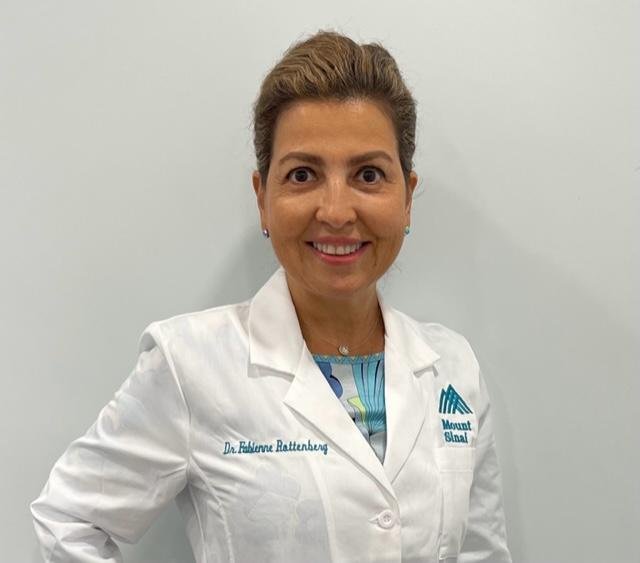
Who treats you
Telehealth available: some questions and follow-ups can be handled by video. Ask when you call.
285 West End Ave at 73rd St · Mon–Thu, 9–5
A yearly exam catches problems early. If you have a wound, call today.
Questions patients ask
Your own answer depends on an in-person exam. Call the office if your question is not here.
Call (212) 724-4457At least once a year for a foot exam, and more often if you have numbness, poor circulation, a past ulcer or foot deformities. Dr. Rottenberg will set a schedule based on your risk.
Medicare Part B covers therapeutic shoes and inserts for people with diabetes who meet certain conditions. The office can check whether you qualify.
Salon pedicures carry a risk of cuts and infection. A medical pedicure in a podiatry office uses sterile instruments and is done with your diabetes in mind.
Call the office the same day. Keep weight off it and keep it clean and covered. If there is spreading redness, fever or a bad smell, seek urgent care.
Sources
This page is general information, not a diagnosis. If you think you have an emergency, call 911.
Diabetic Foot & Wound Care · Upper West Side