Toenail fungus treatment
Laser and prescription treatment for fungal nails.
Medical pedicure · Podiatry office
A medical pedicure gives you clean, comfortable, good-looking feet with the safety of a medical office. Sterile instruments are used, and your nails and skin are checked for problems along the way. It is ideal if you have diabetes, thick or fungal nails, corns and calluses, or would simply rather avoid a salon.
Board-certified foot surgeon · FACFAS · Mount Sinai faculty · English, French, Hebrew & Spanish


Information from the practice of Fabienne Rottenberg, DPM, board certified by the American Board of Foot and Ankle Surgery and Clinical Instructor in Orthopedics at Mount Sinai. Updated . This page is general information, not a diagnosis.
What is included
Nails are trimmed and thinned, corns and calluses are reduced, and the cuticles and skin are cleaned up, all with sterilized instruments. Along the way, nails and skin are checked for fungus, ingrown nails, warts and other problems, so they can be treated early.
Your options
A medical pedicure pairs well with treatment for these common problems.
Laser and prescription treatment for fungal nails.
A natural-looking nail over a damaged one.
Safe nail and callus care as part of your diabetic foot plan.
Relief from painful pressure spots, and advice to stop them returning.
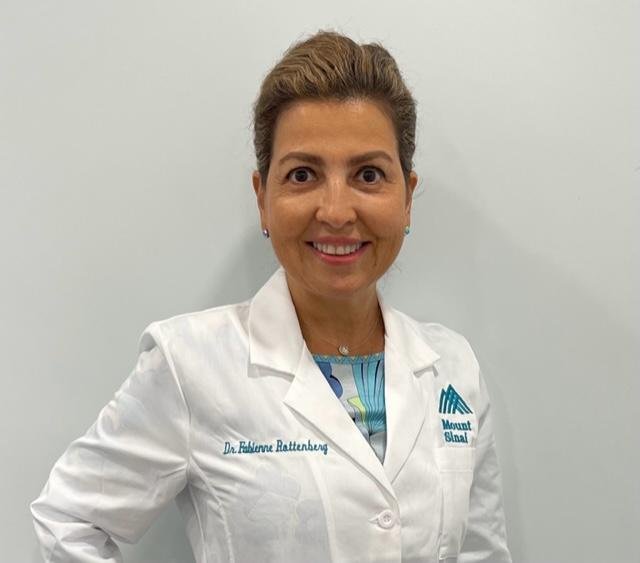
Who treats you
Telehealth available: some questions and follow-ups can be handled by video. Ask when you call.
285 West End Ave at 73rd St · Mon–Thu, 9–5
Clean, comfortable feet, done safely with sterile instruments.
Questions patients ask
Your own answer depends on an in-person exam. Call the office if your question is not here.
Call (212) 724-4457It is done in a medical office with sterilized instruments, and your nails and skin are checked for problems. The focus is health and comfort first, with clean, neat-looking feet as the result.
Call the office for current pricing. Medical pedicures are usually not covered by insurance, but treatment of a medical problem found during the visit may be.
Yes. It is one of the safest ways for people with diabetes to have nail and callus care, because it is done with sterile instruments by a foot care professional.
Many people come every 6 to 10 weeks, or before summer and special events. Your nails and skin will guide how often.
Sources
This page is general information, not a diagnosis. If you think you have an emergency, call 911.
Medical Pedicure · Upper West Side