Cushioned insoles and shoes
Thicker soles and padding that take pressure off the ball of the foot and heel.
Ball of foot & heel cushioning
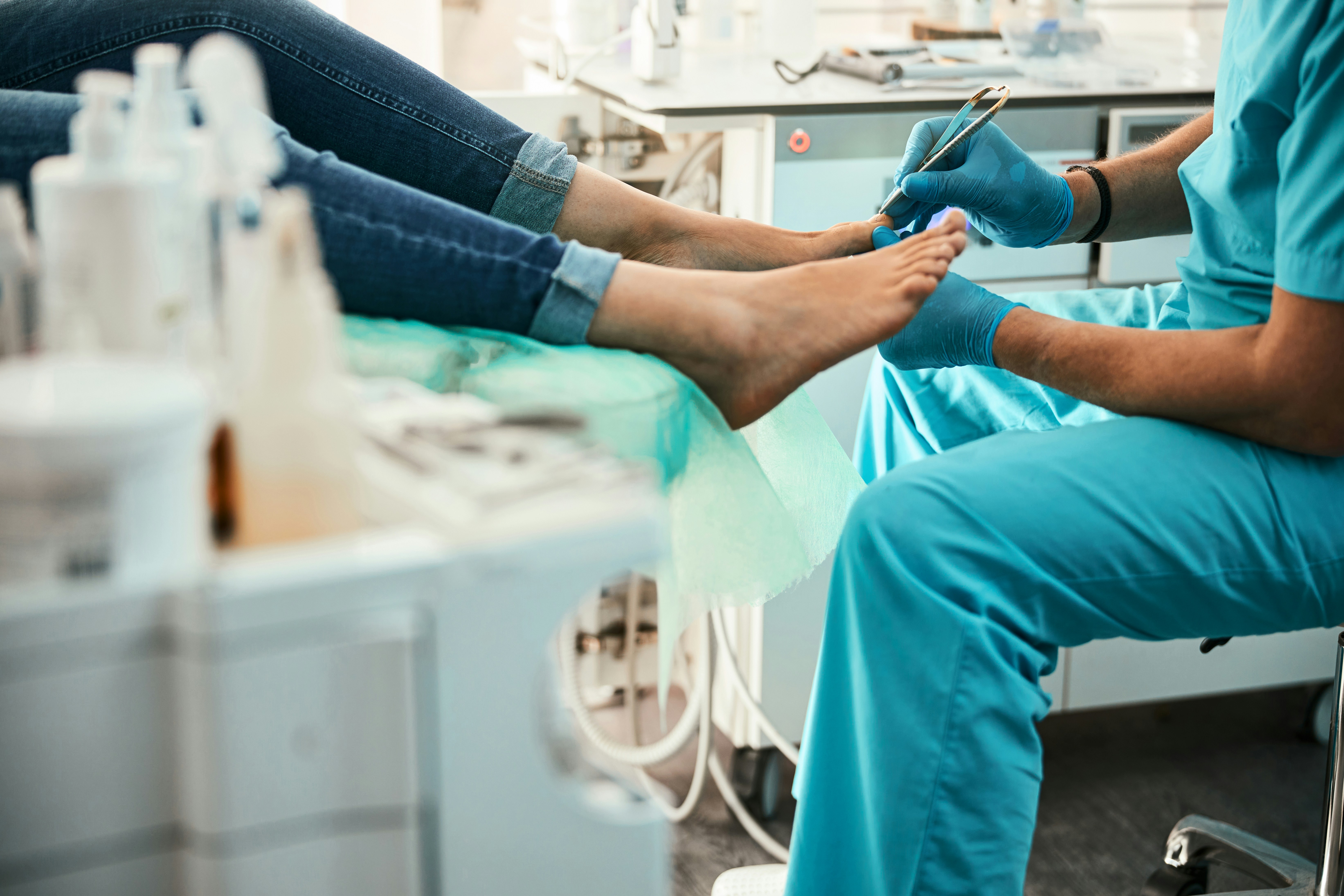
The pads of fat under the ball of the foot and the heel act as natural shock absorbers. When they thin out, walking can feel like stepping straight onto bone. Dr. Rottenberg confirms whether thinning padding is the cause of your pain, then rebuilds cushioning with fillers, Liposana or orthotics.
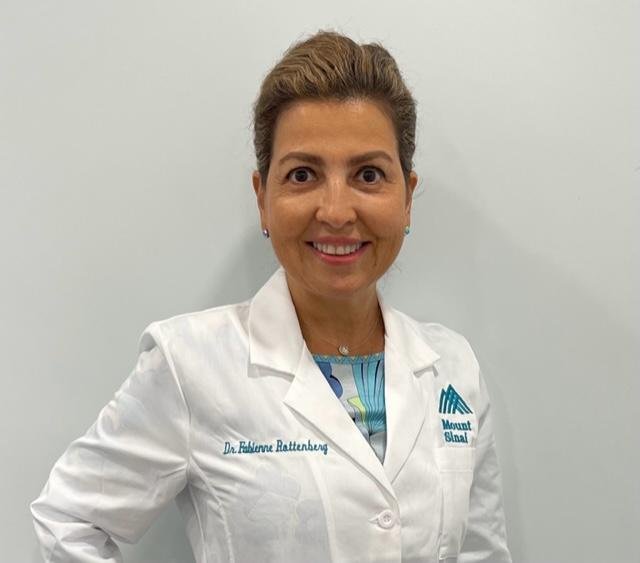
Board-certified foot surgeon · FACFAS · Mount Sinai faculty · English, French, Hebrew & Spanish

Information from the practice of Fabienne Rottenberg, DPM, board certified by the American Board of Foot and Ankle Surgery and Clinical Instructor in Orthopedics at Mount Sinai. Updated . This page is general information, not a diagnosis.
What it is
Fat pad atrophy means the natural cushioning under the ball of the foot or the heel has become thinner or has shifted forward. It is common with age. Years in high heels, a high arch, toe deformities such as hammertoes, some arthritis conditions, and repeated cortisone injections can all add to it.
Thinning padding can look like other problems, including metatarsalgia, a neuroma or plantar fasciitis. An exam, sometimes with ultrasound, shows how much padding is left and where it hurts.
Fillers
An injectable filler is placed under the skin of the ball of the foot or the heel to add padding over the bones. The visit is short, a local anesthetic may be used, and most people walk out in their own shoes.
The result is temporary, and the filler gradually breaks down, so treatment may need to be repeated. Using fillers in the feet is an off-label use, and it is usually not covered by insurance. The office will tell you the cost before treatment.
Liposana
Liposana is human fat tissue from screened donors, processed by a tissue bank. It is injected where the padding has thinned, to replace lost cushioning with fat tissue rather than a gel. No liposuction or fat removal from your own body is needed.
You may have some soreness, swelling or bruising for a few days, and you may be asked to limit high-impact activity for a short time. How long the result lasts varies from person to person and is not guaranteed. Liposana is usually not covered by insurance.
Your options
Many people start with cushioning and add an injection if that is not enough.
Thicker soles and padding that take pressure off the ball of the foot and heel.
Spread pressure away from the bones that hurt most.
An in-office injection that adds cushioning. Temporary, may need repeating.
Donor fat tissue injected to rebuild the pad, with no liposuction.
Regular, safe trimming of calluses that form over thin padding.
Correcting hammertoes or other deformities that push the pad out of place.
Who treats you
Telehealth available: some questions and follow-ups can be handled by video. Ask when you call.
285 West End Ave at 73rd St · Mon–Thu, 9–5
Find out whether thinning padding is causing your pain, and which option fits your feet and budget.
Questions patients ask
Your own answer depends on an in-person exam. Call the office if your question is not here.
Call (212) 724-4457Most people say it feels like walking on bones, marbles or a bare floor even in shoes. It is usually worse on hard surfaces and in thin-soled shoes.
No. Lost padding does not regrow by itself. Treatment either protects the area with cushioning or adds padding back with an injection.
A filler is a gel that adds volume and gradually breaks down. Liposana is donor fat tissue. Dr. Rottenberg will explain which suits your foot, how long each may last and what each costs.
It varies. Fillers are temporary and may need repeating. Liposana results also vary and are not guaranteed. Activity, shoes and foot shape all play a part.
Usually not. Most insurers treat these injections as elective. The office will give you the cost before treatment.
Most people walk out of the office the same day. Expect some soreness or swelling for a few days, and you may be asked to avoid running or jumping for a short time.
Sources
This page is general information, not a diagnosis. If you think you have an emergency, call 911.
Fat Pad Atrophy · Upper West Side